10, 14 or 18 karat: which one for you
More karats does not mean better. Hardness, hue, price: the trade-off, plainly.
Karat measures the proportion of pure gold in the alloy, nothing else. 10K contains 41.7 % gold, 14K contains 58.5 %, 18K contains 75 %. The remainder — copper, silver, zinc, sometimes palladium — is not filler: it is what gives the piece its colour and its resilience.
What you gain going up
Colour. An 18K yellow is warmer, deeper, immediately recognisable next to a 10K. You also gain inalterability: more pure gold means less copper, so less risk of tarnishing on acidic skin.
What you lose
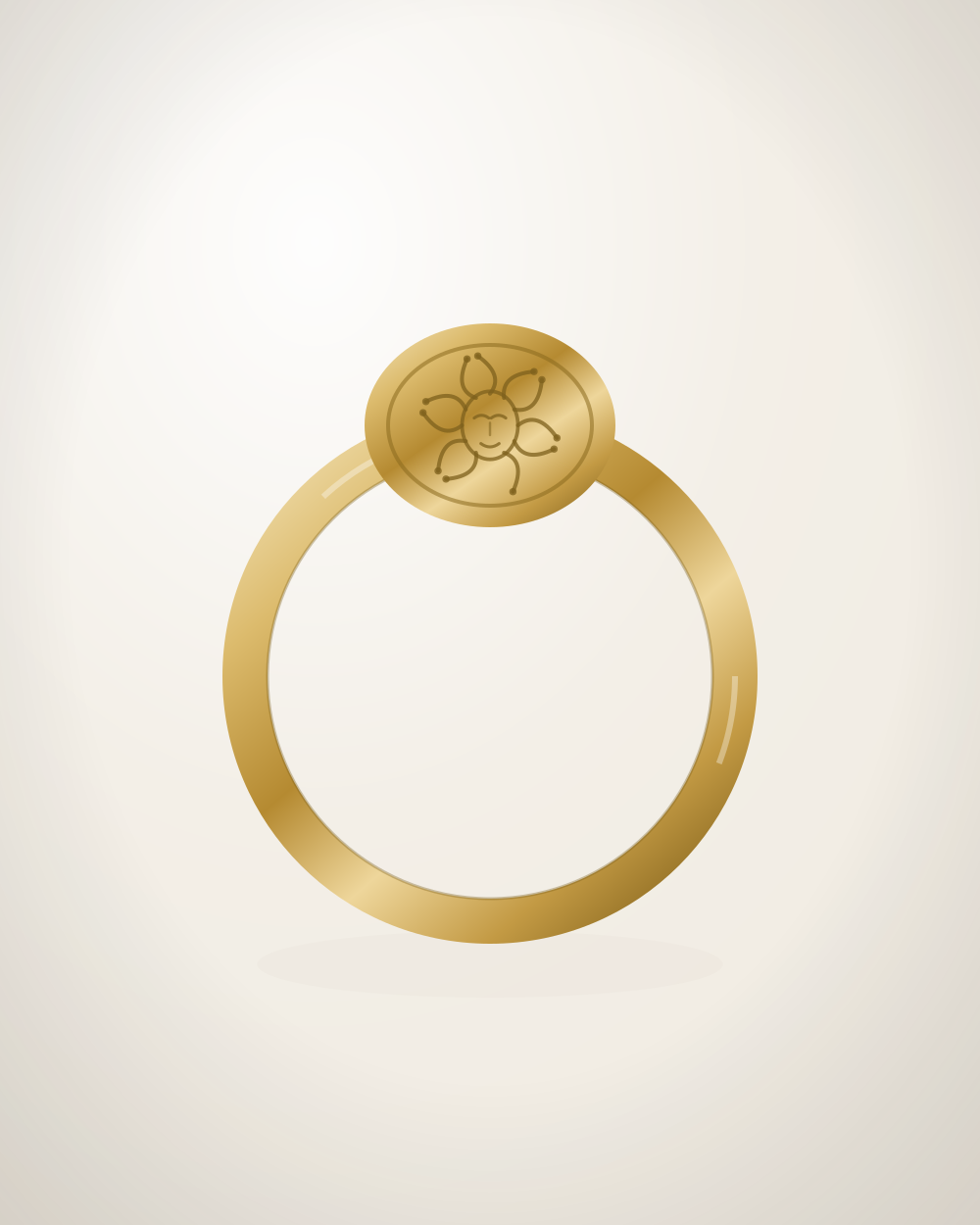
Hardness. Pure gold is a soft metal; the more of it in the alloy, the more the piece scratches and deforms. An 18K band worn daily for ten years will be visibly more marked than the same in 14K. For a wide signet or a man’s ring worn at work, 10K is not a saving, it is a technical choice.
Our recommendation
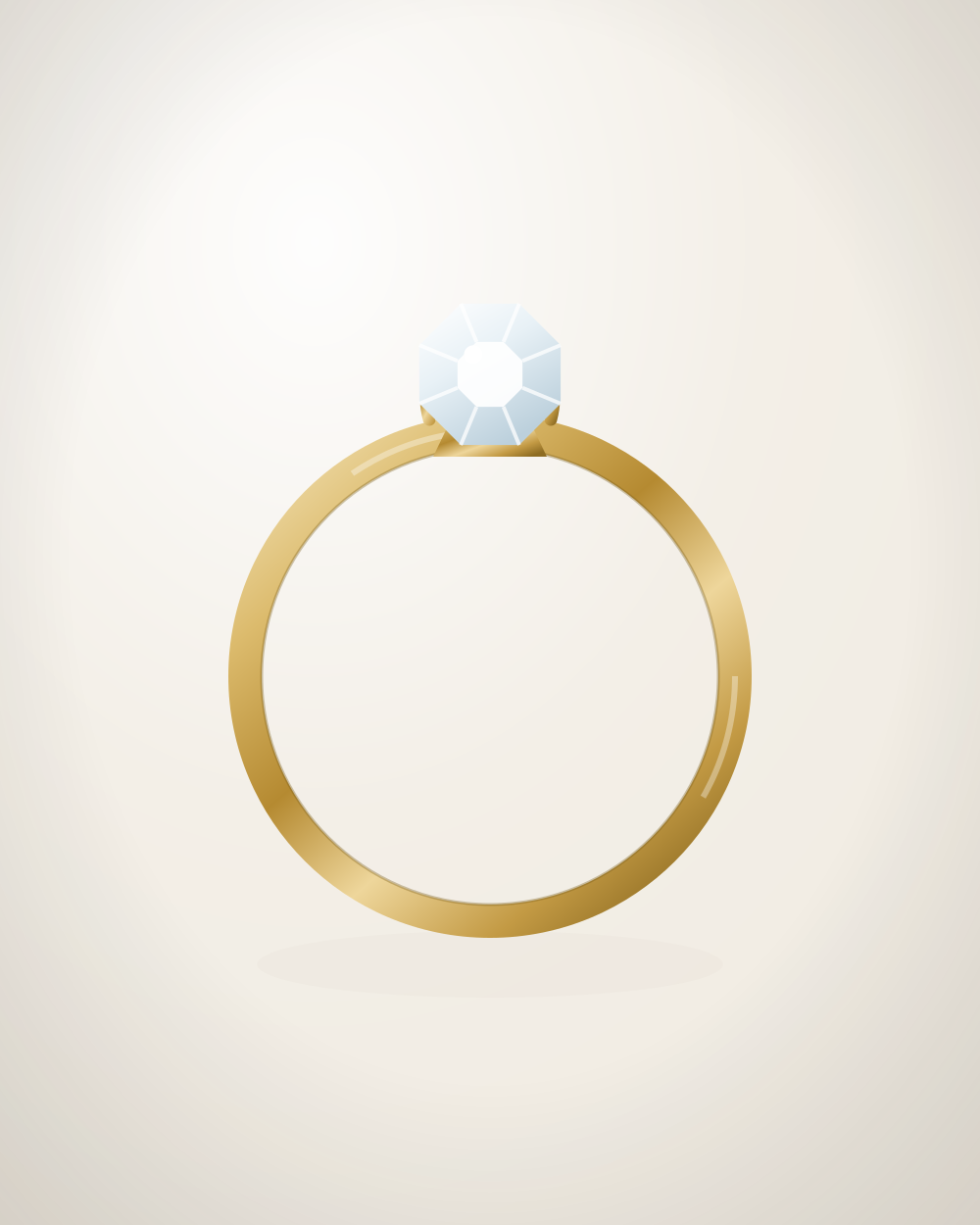
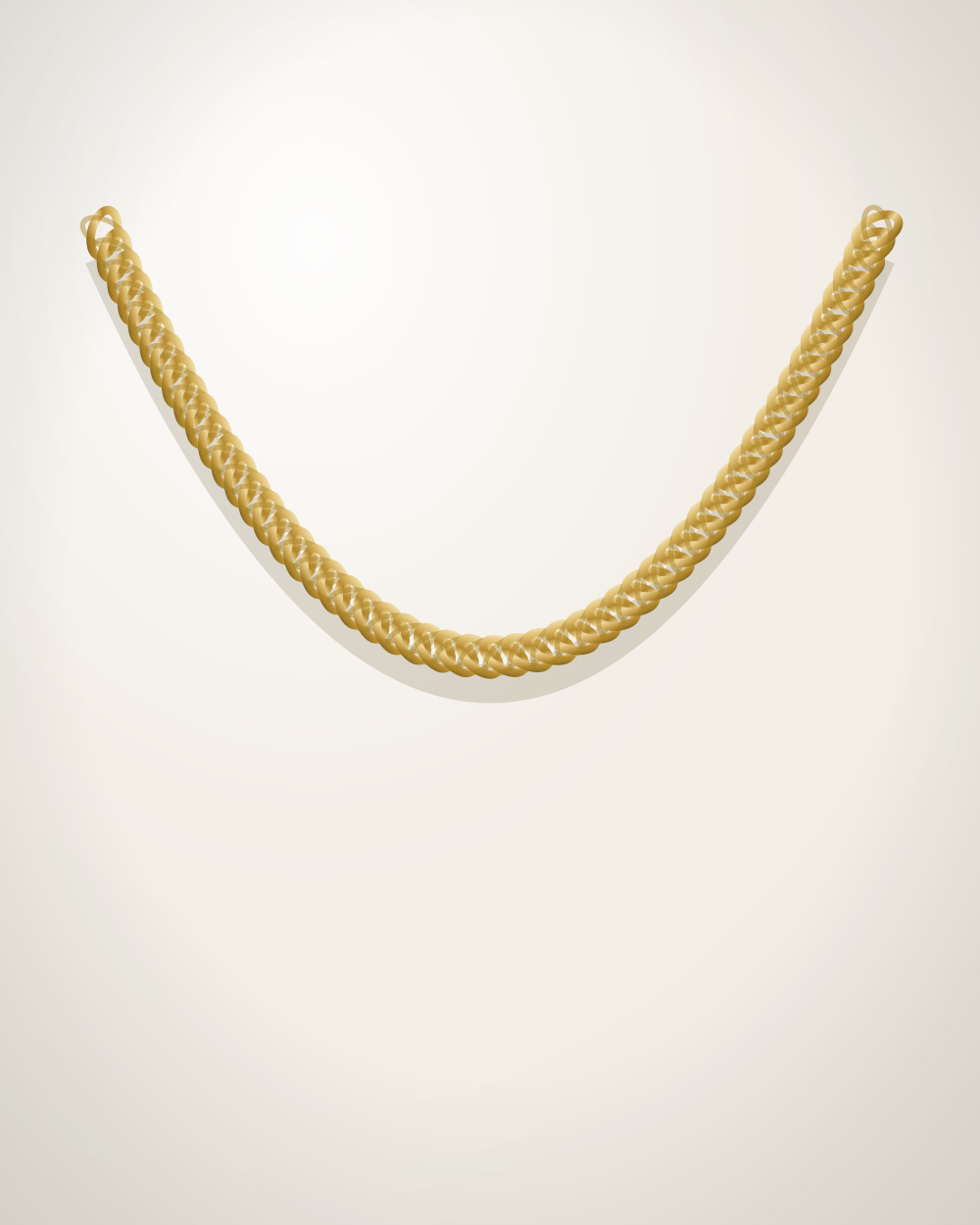
Chains and bracelets worn daily: 10K or 14K. Engagement rings and dress pieces: 14K or 18K. Earrings, which suffer no friction: 18K without hesitation. And if you layer two chains, keep the same karat for both — the difference in hue shows from two metres away.
A question this article does not settle? Write to [email protected] or call 1 833 295-2345. We answer ourselves.